Price strategy for wired wrapped jewerly

It is always incredibly frustrating when sales take a dip, especially since wire-wrapping is an incredibly tedious, highly skilled craft that takes hours of focus. It’s completely natural to wonder if macroeconomics are to blame or if it’s the sticker price.

Current handmade industry benchmarks show the average retail price for a quality, artisan wire-wrapped stone pendant generally sits between $20 and $55. At $65 and $85, she is positioned in a premium, high-end “boutique” tier. While those prices perfectly justify her labor, they do narrow her pool of impulse buyers, especially when household budgets are tight.

She doesn’t have to guess, though. She can run a few practical, real-time tests at her upcoming shows in Ventura and Reno to pinpoint exactly what is driving the slowdown.


1. Test Price Elasticity (The “Middle-Tier” Experiment)

If she only offers items at $65 and $85, she might be experiencing a “missing middle” problem. When cash is tight, people love an impulse buy under $50.

  • The Action: Have her design a small batch of simpler, quicker “entry-level” pendants or matching rings/earrings priced at $35 to $45.
  • The Diagnostic: If the $35 items fly off the table while the $85 items sit there, it’s a pricing/economy issue—people still want her work, they just don’t have the disposable cash for premium pieces right now. If nothing sells regardless of price, it might be the specific market location or a foot-traffic issue.

2. Evaluate the “Perceived Value” Index

Sometimes an item isn’t too expensive; it just looks like it’s being sold for more than the environment dictates. In California and Northern Nevada craft markets, presentation is everything.

  • The Action: Take a hard look at the display. Are the pendants laying flat on a table, or are they elevated on elegant neck busts? Is she explicitly stating what the stones are (e.g., “Genuine Labradorite in Sterling Silver” vs. a blank price tag)?
  • The Diagnostic: Upgrading the packaging—like handing over the pendant in a nice, stamped jewelry box instead of a plastic baggie—bridges the gap. If a minor display upgrade revives sales, her prices weren’t the problem; the presentation just wasn’t doing her hard work justice.

3. Run a “Silent Data Collect” at the Next Show

She can use her next few in-person hours to act as a data scientist. Tell her to keep a hidden notepad behind the counter and track buyer behavior.

  • The Action: Track three specific metrics:
    1. Touches: How many people stop, look, and actually pick up a pendant?
    2. The Flop: How many people pick it up, look at the price tag, and immediately put it back down?
    3. The Ask: Do people ask, “Do you have anything a little smaller/simpler?”
  • The Diagnostic: If people are picking them up, admiring them, and dropping them the second they see the price tag, her market is telling her that $65 is above their current weekend budget. If they aren’t even stopping to look, it’s a booth layout or general event traffic issue.

4. Benchmark the Local Competition

Ventura and Reno have vibrant, highly competitive artisan scenes (especially with events like the Patchwork Show or local Riverside markets).

  • The Action: Have her take a quick walk around the next event to find 2 or 3 other jewelry makers. Don’t look at style, just look at their pricing structure.
  • The Diagnostic: If other wire-wrappers are successfully selling pieces for $40, her $85 pieces will feel incredibly expensive to a casual browser walking the aisles, forcing her to work twice as hard to justify the premium.

An economy slowdown is likely squeezing people’s fun-money budgets right now, but dropping her prices across the board might undervalue her skills. Sneaking in a temporary $35–$45 alternative tier is usually the safest, fastest way to get an answer without hurting her brand.

Yes, the economic data from the first half of 2026 shows a very specific, structural shift in how people are spending money. The short answer is the economy isn’t completely dead, but consumer behavior has drastically changed, heavily impacting non-essential, premium items.

Data from recent retail, consumer, and banking reports outlines exactly what is happening:


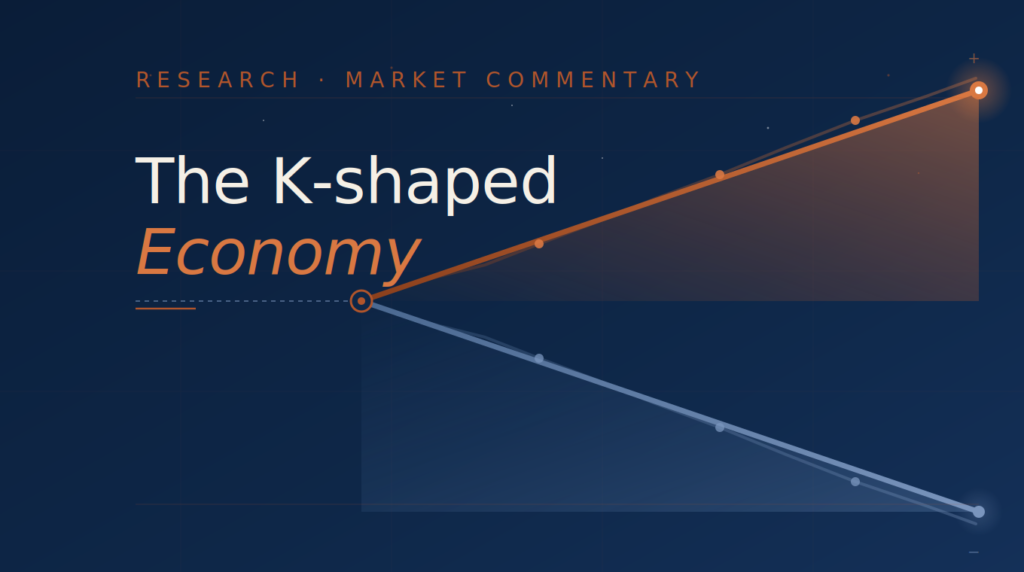
1. The “K-Shaped” Discretionary Slowdown

According to the Bank of America Institute’s May 2026 Consumer Checkpoint report, overall retail spending has actually been ticking upward slightly (about 4% to 4.8% year-over-year). However, that growth is incredibly uneven:

  • The Squeeze: Lower and middle-income households have sharply rolled back their discretionary (“nice-to-have”) spending.
  • The Cause: Stubborn cost-of-living pressures—specifically spiking fuel and energy prices—are eating up a larger share of the average consumer’s wallet, leaving far less “fun money” at weekend markets.

2. The Goldman Sachs “Discretionary Cash” Revisions

In May 2026, Goldman Sachs Research cut its growth forecast for Discretionary Cash Inflow (the exact money people use to buy things like handmade jewelry).

  • Initially, they thought consumers would have 5.1% more extra cash this year. They just downgraded that to 3.7%.
  • For the lower-income brackets, they project growth of under 1%. People are simply being incredibly deliberate about where their non-essential dollars go.

3. The “Flight to Value” & Strict Budgeting

A sweeping 2026 Consumer Spending Report by YouGov highlights a massive behavioral shift:

  • 53% of U.S. adults reported setting strict budgets for 2026 (up significantly from 46% last year).
  • When asked where they are actively cutting back to protect their savings, Clothing/Fashion (54%) and Events/Days Out (48%) were at the absolute top of the chopping block.
  • Global retail data from Bain & Company calls this a “flight to value.” Consumers aren’t entirely stopping their shopping, but they are aggressively “trading down”—gravitating toward lower price points to get their shopping fix without breaking the bank.

4. The Silver Lining: In-Person Crafts Aren’t Dead

If there is good news for her, it comes from the 2026 Arts & Crafts Industry Trends Report (via ACT Insurance):

  • In-person is still king: 85.3% of artisans still make the vast majority of their income at physical, live markets. The desire to touch, see, and connect with a maker is still very strong.
  • Value of original art: 70.8% of surveyed consumers still state they are willing to pay a premium for high-quality, original handmade items over mass-produced junk.

The Takeaway for Her Booth

The data perfectly validates your suspicion. The economy has forced a massive chunk of weekend market-goers to become “choiceful consumers.” They are still attending shows in Ventura and Reno, but they are looking for smaller financial commitments.

If she keeps her $65 and $85 masterworks on the table but introduces that $35 to $45 tier, she targets the exact “value-focused” demographic that these 2026 economic reports are warning retailers about. It gives people a way to support her and take home a piece of original art without feeling the guilt of an $85 dent in their strict weekend budget.

Day 1 Marriage Challenge: 

Pray with your spouse. Getting on the same financial page isn’t always easy. You need God’s help. Pray the following prayer together:

Help us be one. Help us experience the contentment and purpose you desire us to experience. Thank you for allowing us to be a part of your mission. Help us to steward your possessions well, leveraging them in order to advance your kingdom.

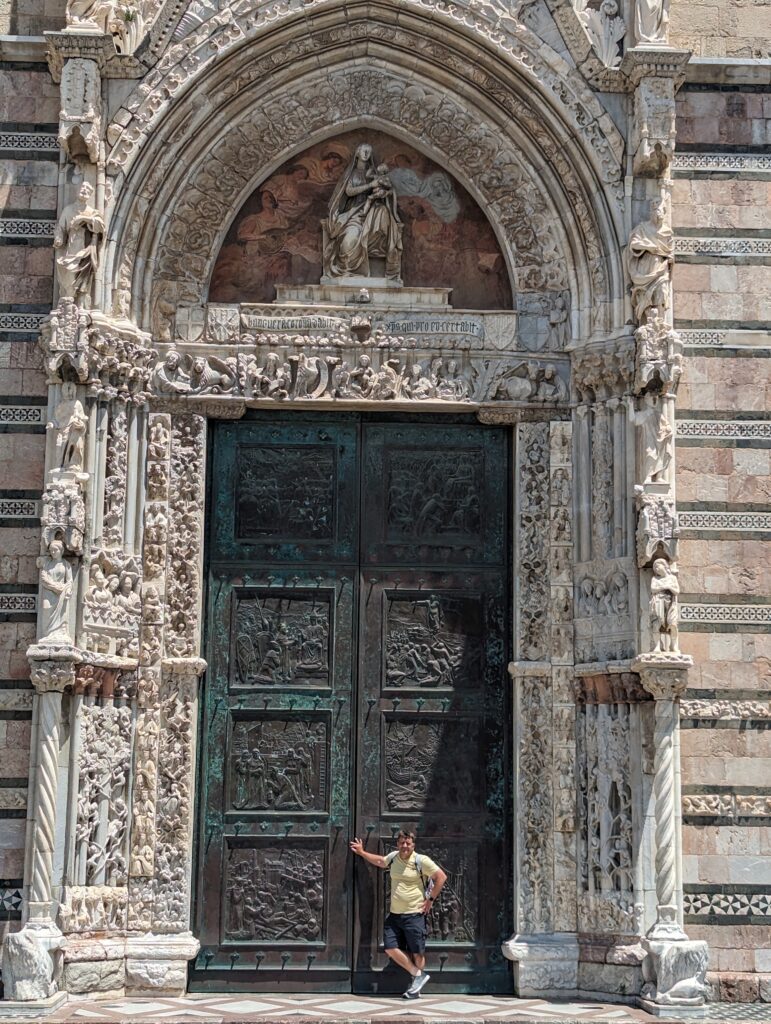
Basilica Cattedrale di Santa Maria Assunta, Messina

This cathedral is located in Messina, Sicily. It was originally built in the 12th century, but it was destroyed by an earthquake in 1783. The current cathedral was built in the 19th century in a Neoclassical style. It is known for its astronomical clock, which features bronze statues that move at noon.

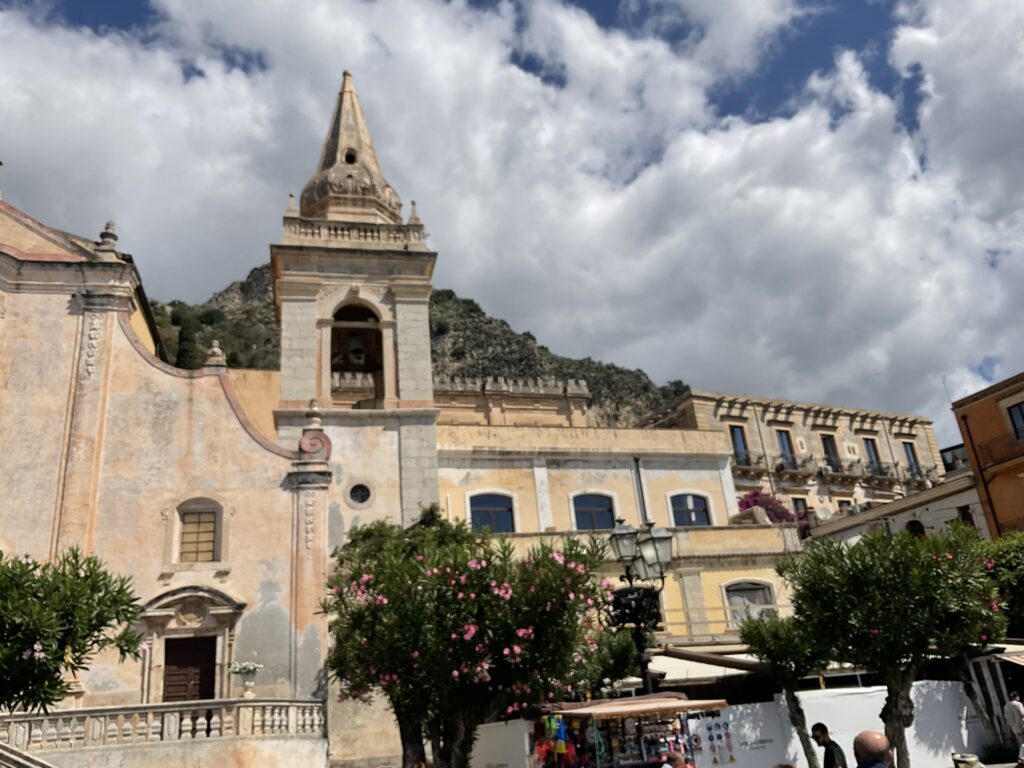
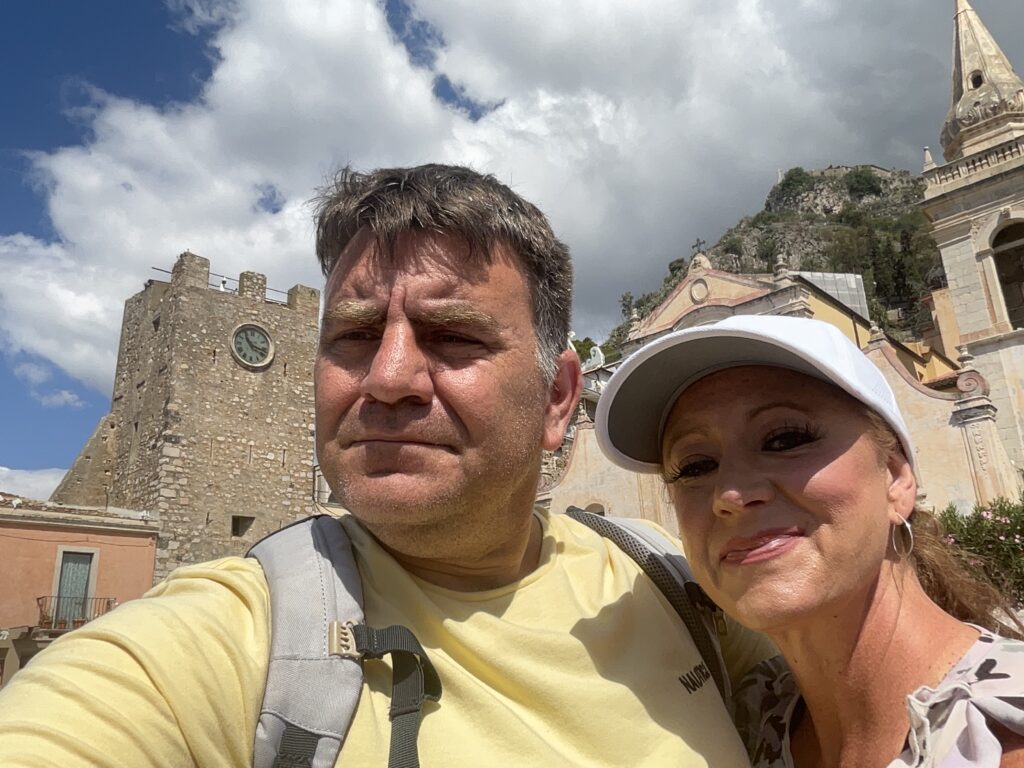
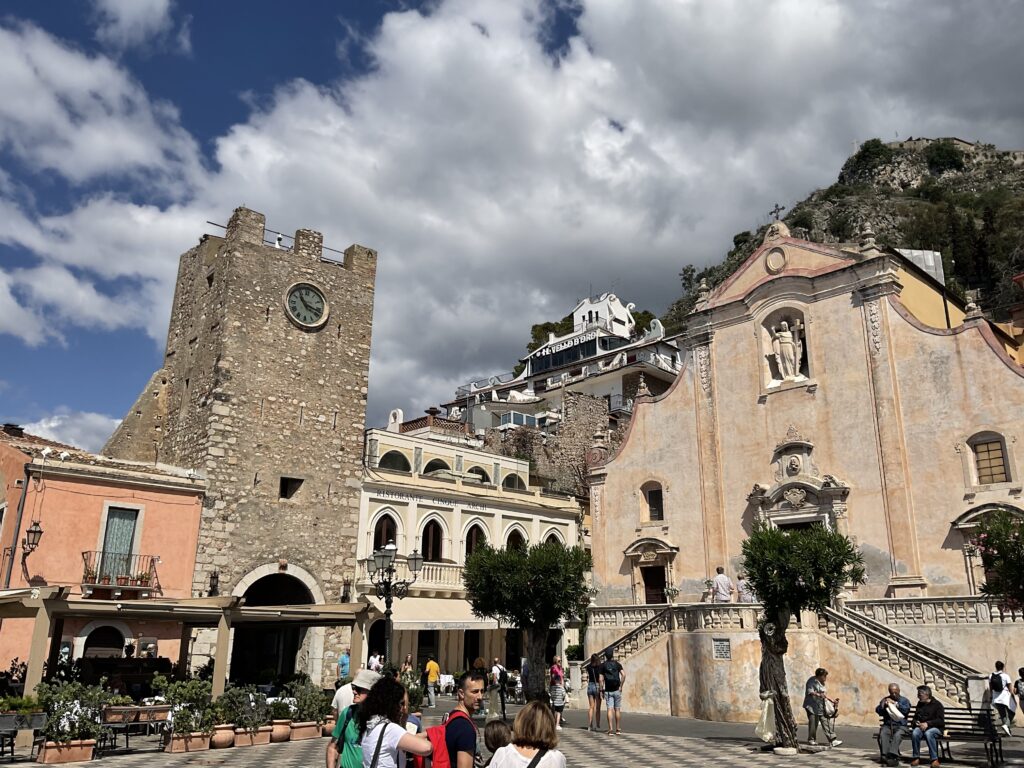
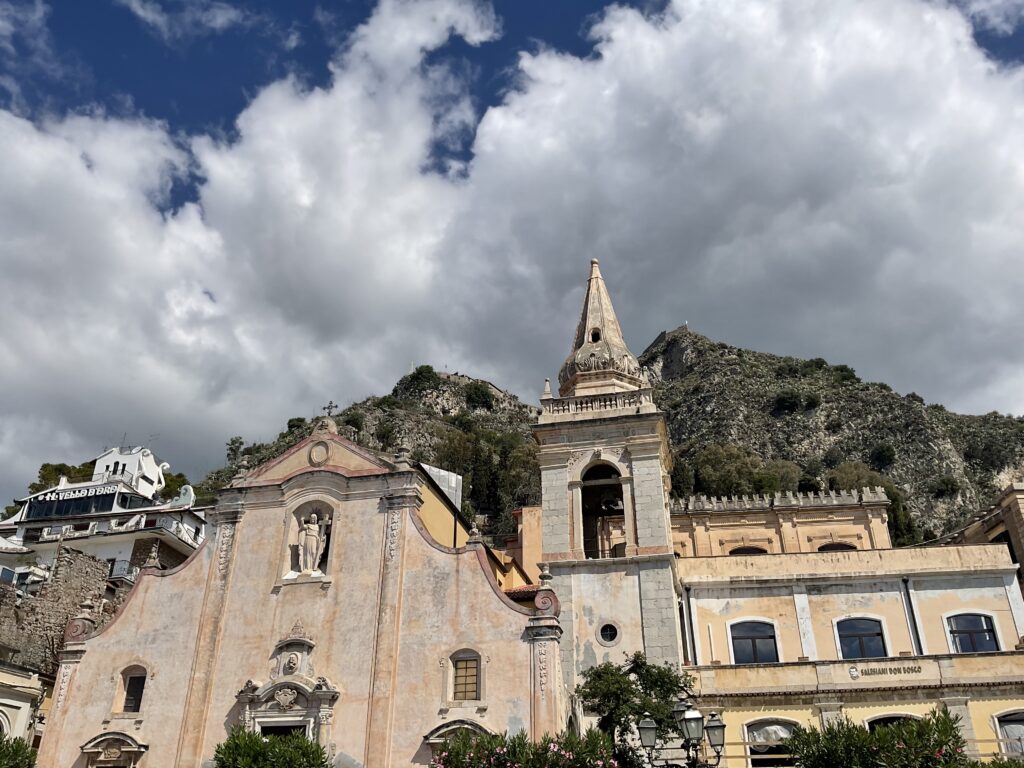
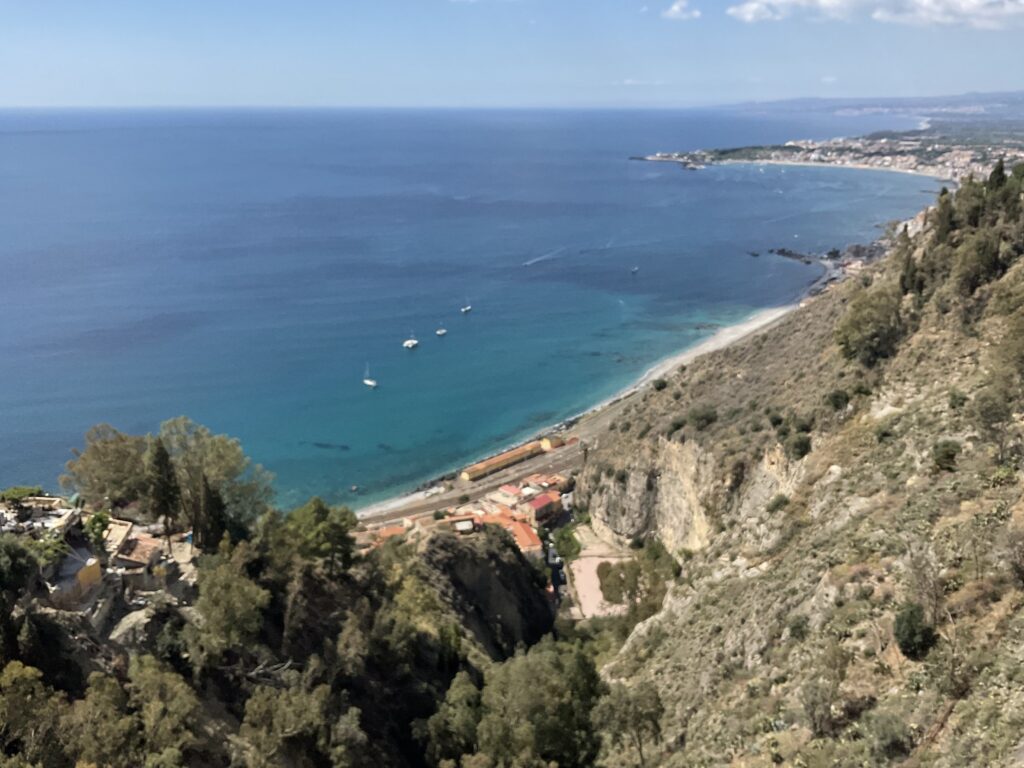
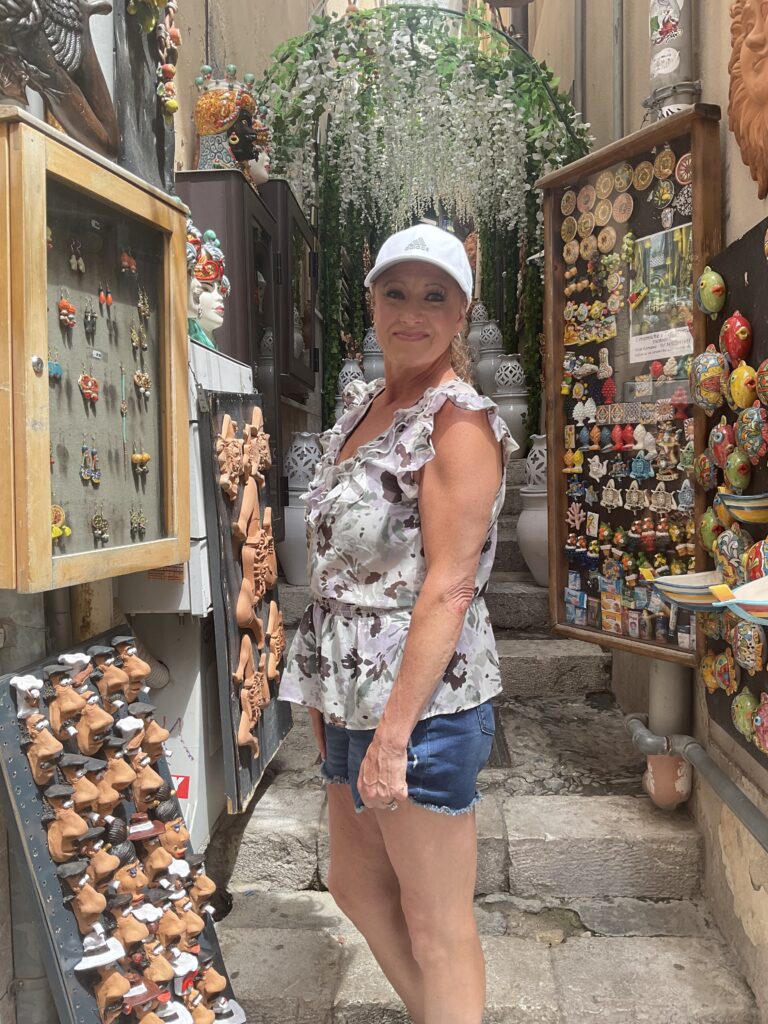
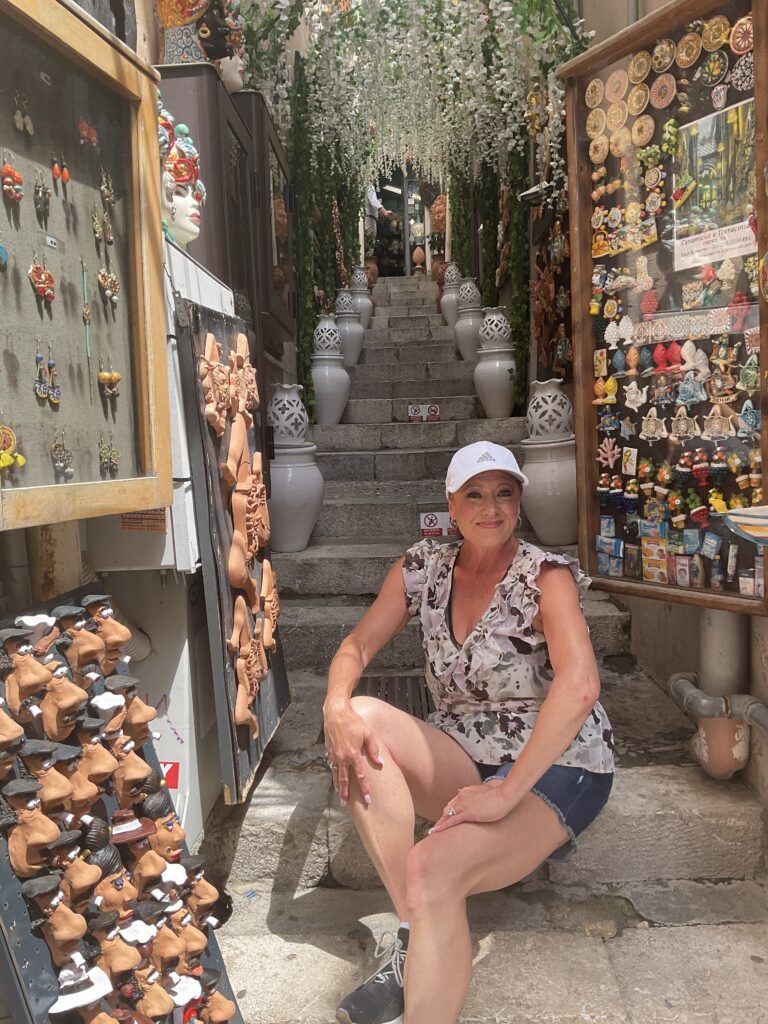
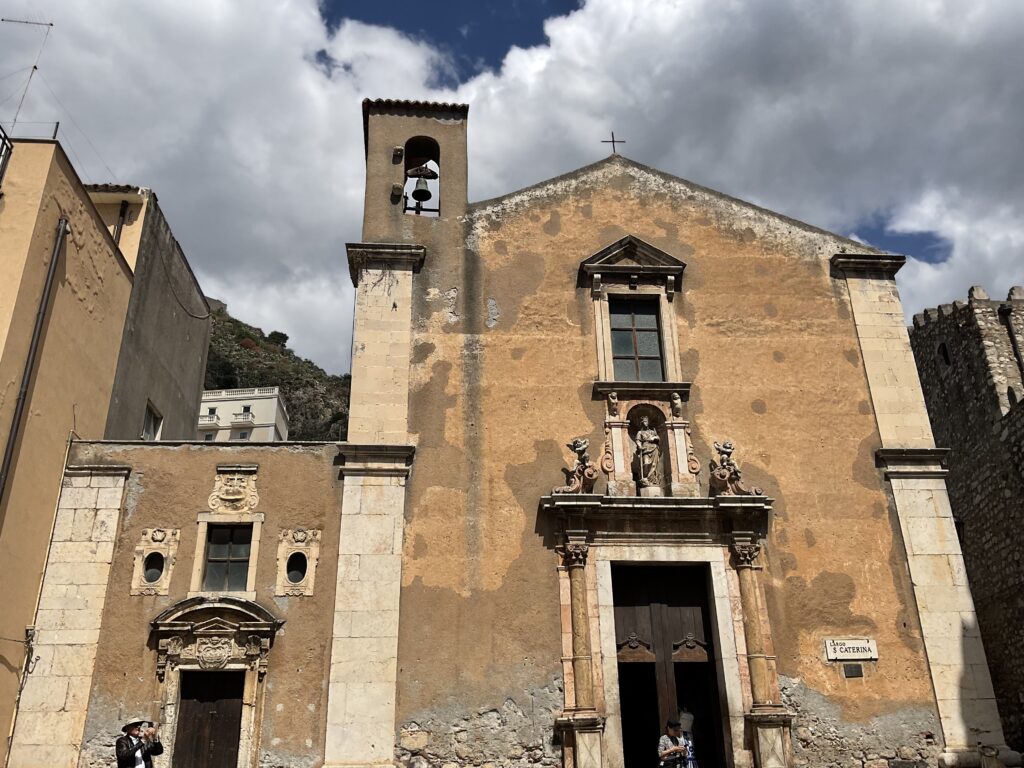
A step back in time in Taormina Sicily

Here is quick background to set the scene for our photos:

  • Ancient Greeks (8th-3rd centuries BC): Established Taormina, building the iconic Greek Theatre you likely saw.Commerce thrived then, with shops likely selling imported goods and local crafts.
  • Romans (3rd century BC – 5th century AD): Expanded the theatre and possibly the marketplace. Shops may have catered to a Roman clientele, offering luxury items and everyday necessities.
  • Arab rule (9th-11th centuries AD): Introduced new influences. Shops might have displayed spices, fabrics, and intricate metalwork.
  • Medieval Period (11th century onwards): The town transitioned through Norman and Spanish rule. Shops likely reflected a mix of cultures, with workshops for local crafts alongside imported goods.

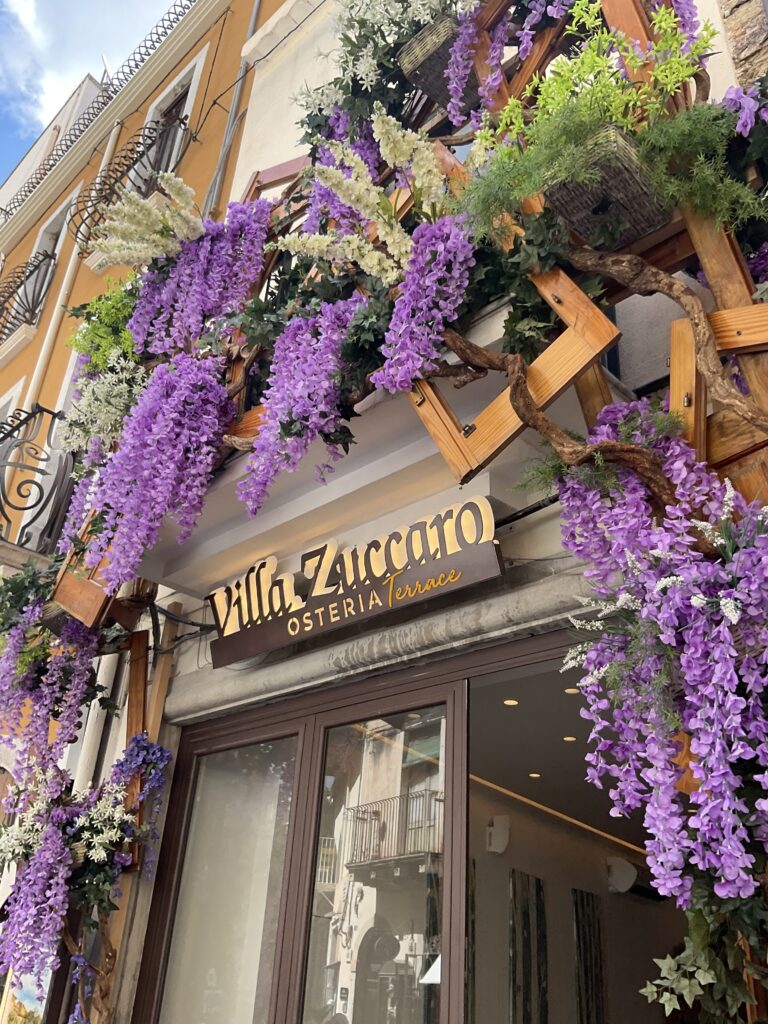
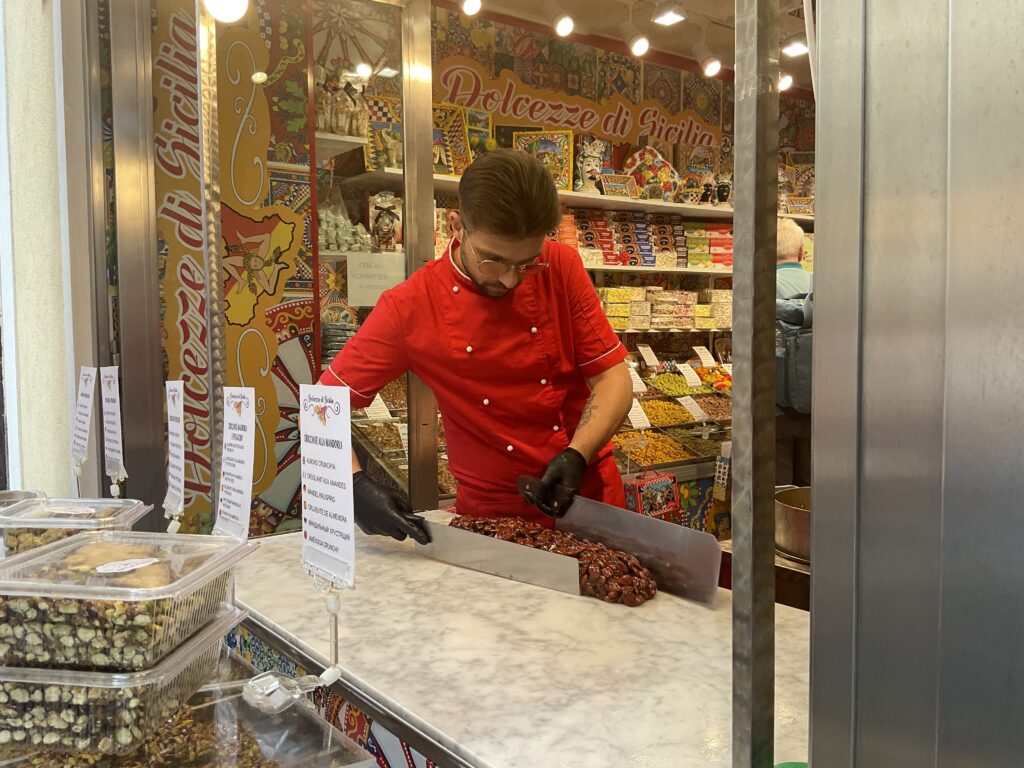
Today, Taormina’s shops are a vibrant blend of modern boutiques, souvenir shops selling traditional Sicilian crafts, and cafes lining the charming streets. Our photos must capture a fascinating journey through time!

The country of Malta

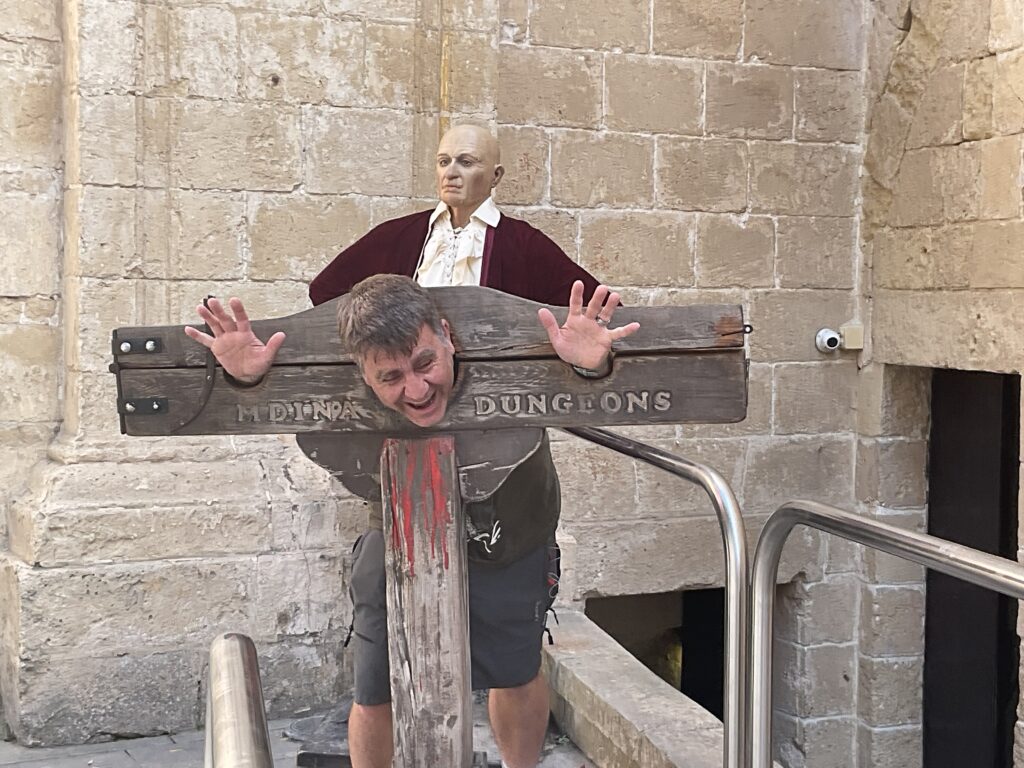
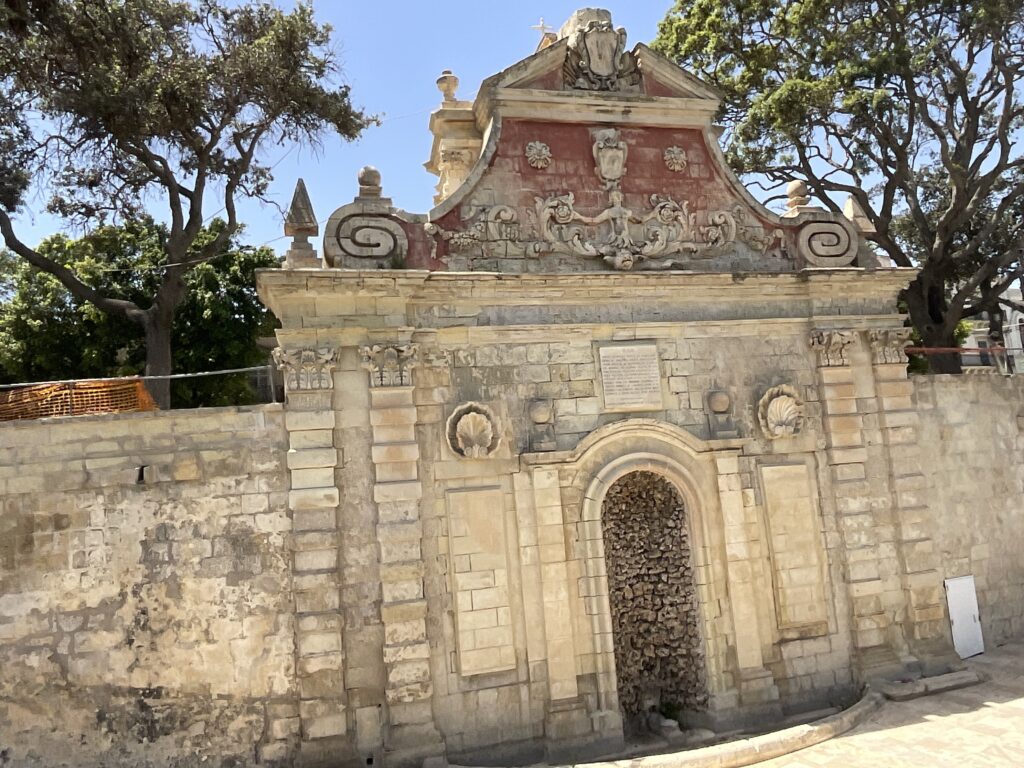
We have arrived in the city of Valletta. This island seems to be much nicer city a bigger island. as we did not have an excursion, we got off the porch and then was solicited for a hop on and a hop off bus for €50.

Yesterday’s adventures

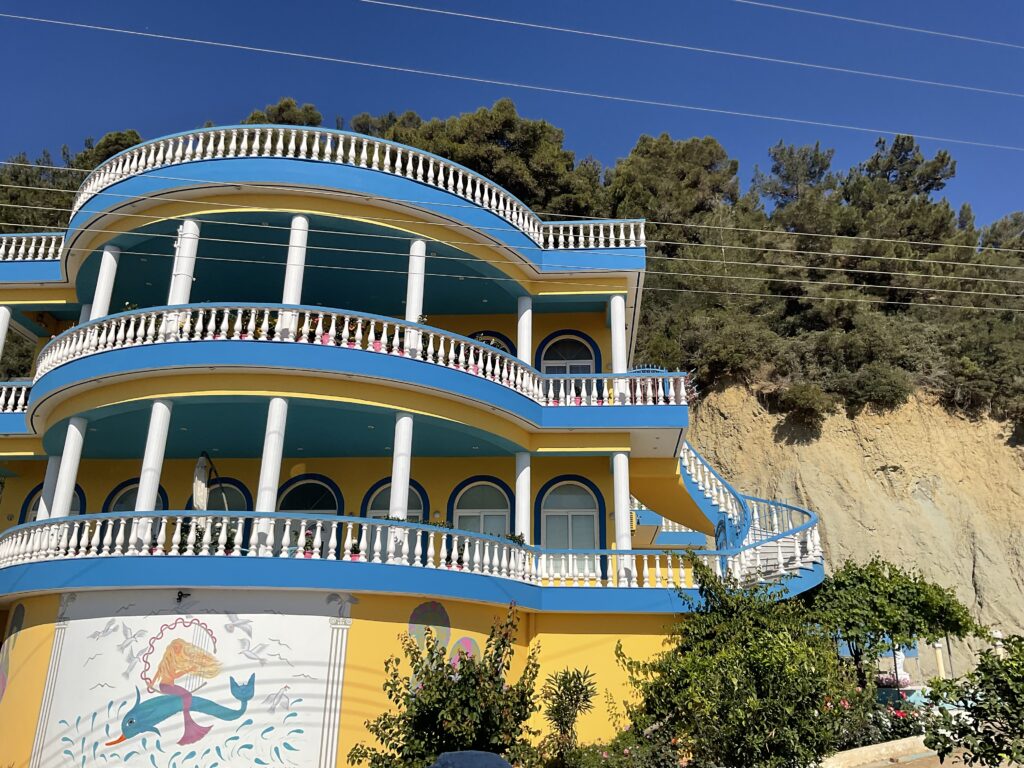
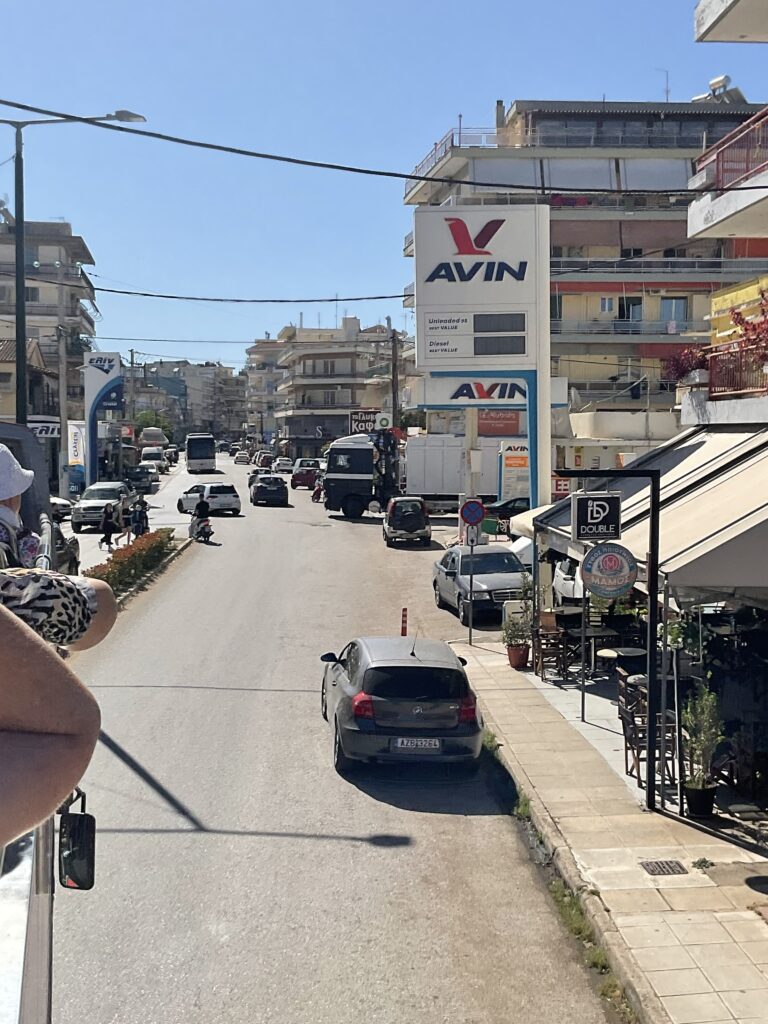
Yesterday’s adventure was like visiting Greek ghettos Olympia, Greece. One striking difference between this city and the others is the amount of vegetation that came natural to the area. The area seems to have more trees and much more dense vegetation than the other areas that we have seen so far on the trip. The natural beauty is there. It’s just the economy of this area makes The city looked depressing. We see signs of graffiti and other clues like run down buildings, abandoned buildings and the such that we believe that the economy is not doing so well.

Our day in Mykonos Greece

The day started 8:30 AM., with a tour of the island. got on the bus and then took a tour of the island ended up at a church took some photos and then ended up at a coffee restaurant and sample some of their donuts then we got back on the bus and then got to the downtown area where they let us loose, then took the ferry back to the Ship.

We arrived at our first port

we are awaiting our tinder boat. No tinder boat is not the same thing as tender dating website. With the anticipation building, our boat is number 20. We have a winery tour, and we are ready to see Santorini Greece.